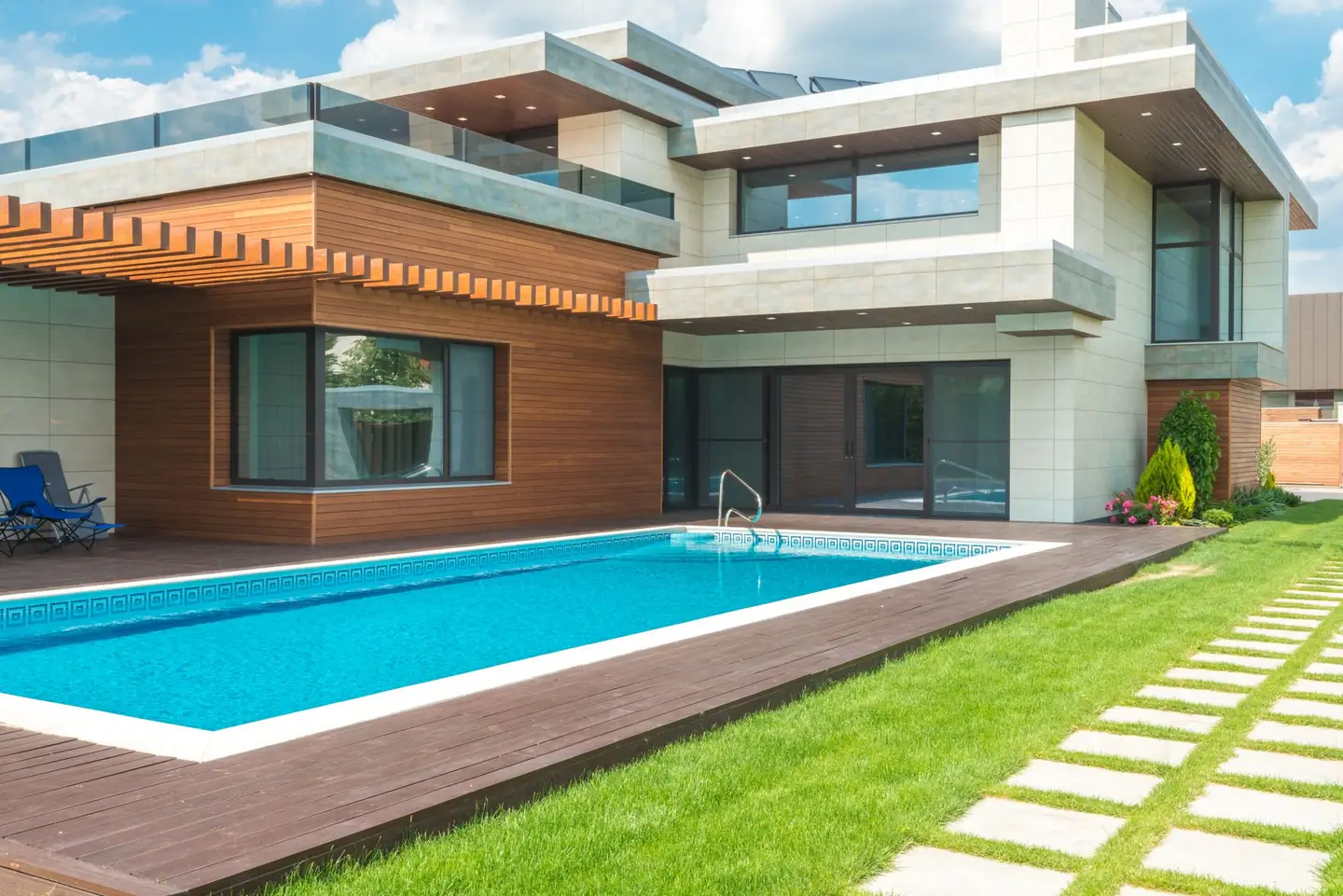
Our Pool Building Services in Mickibri
-
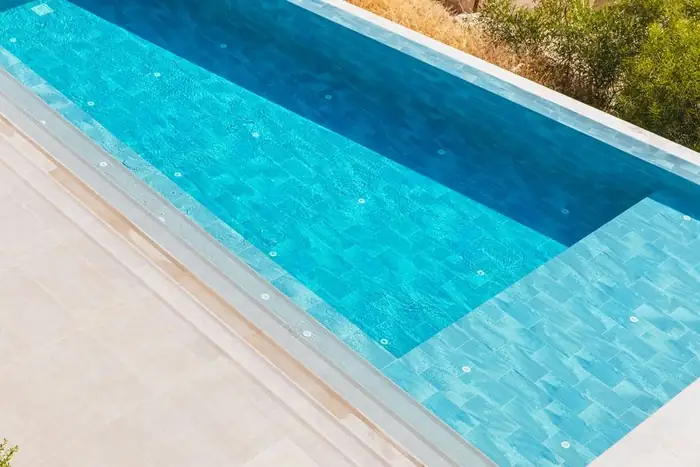
Concrete Pool Construction in Mickibri
Fully custom concrete pools formed and sprayed on site to suit any Mickibri block, in any shape, size or depth.
-
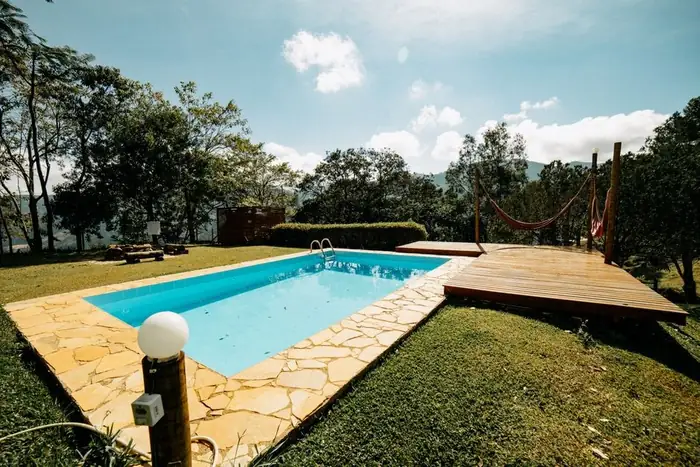
Fibreglass Pool Installation in Mickibri
Pre-moulded fibreglass shells with a smooth, durable gelcoat finish, installed right across Mickibri and the Parkes area.
-

Plunge Pool Construction in Mickibri
Space-smart plunge pools for Mickibri, often fitted with swim jets, heating and built-in seating for year-round use.
-
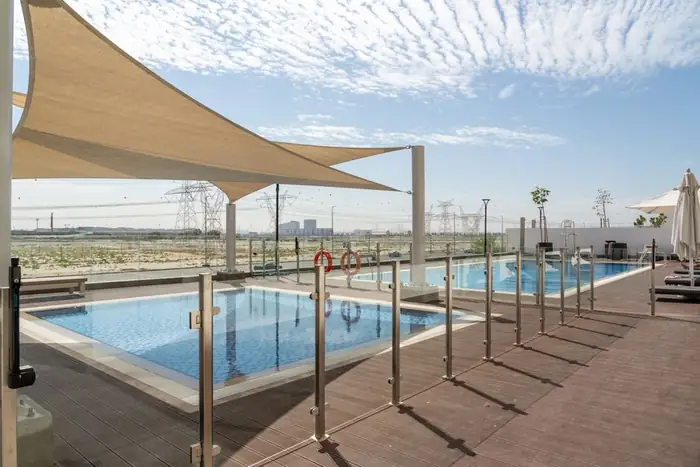
Pool Fencing & Safety Barriers in Mickibri
Glass and aluminium pool fences engineered for Central West conditions and certified for the NSW Swimming Pools Register.
-
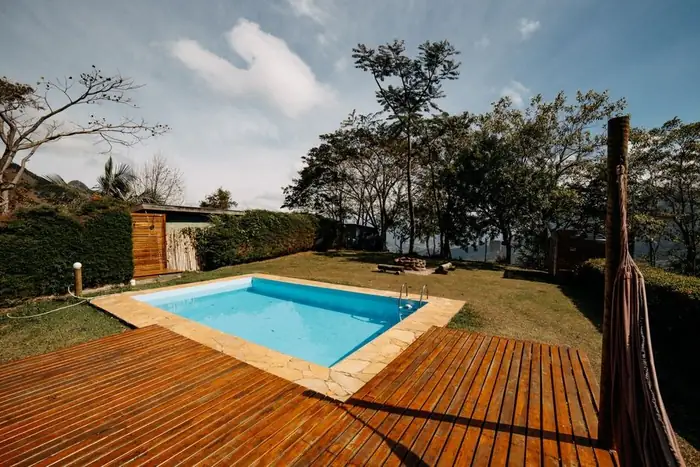
Pool Decking & Paving in Mickibri
Slip-resistant pool decking and paving for Mickibri homes in timber, composite and stone, built for wet feet and sun.
-

Pool Landscaping & Surrounds in Mickibri
Poolside landscaping for Mickibri homes: paving, planting, retaining, screening and lighting tied into one cohesive outdoor space.
Building a Swimming Pool in Mickibri
A pool build in Mickibri 2870 brings together design, approval and construction, and a local builder manages each so they connect cleanly. The first stage is understanding the site, since access, soil type and the slope of the land shape what can be built and how. From there comes the design, the approval, then excavation, the steel and plumbing, the shell itself, the safety fencing, and the paving and interior that complete the pool. Concrete and fibreglass each have their place: concrete gives full freedom over shape and depth, while fibreglass suits homeowners who want a quicker install with lower upkeep. A builder working across Parkes can advise on which fits a given block and budget. The Central West climate makes a pool a practical addition rather than a luxury, giving a household a way to use its yard through the long warm season and often lifting the value of the property. Approval typically follows either a Complying Development Certificate through a private certifier or a Development Application with the Parkes council, depending on the site. With the stages planned in advance and the trades coordinated on the ground, a Mickibri pool build moves steadily from an empty yard to a finished, swim-ready pool.
From New Builds to Renovations in Mickibri
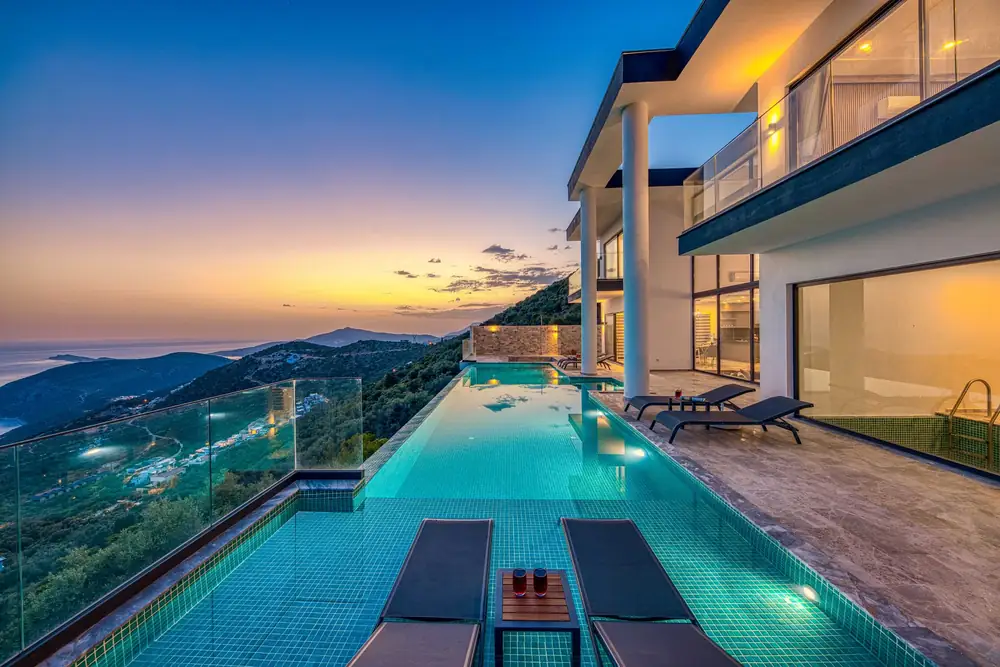
Pool building in Mickibri is not a single service but a set of related ones, and a homeowner can draw on as much or as little as a project needs. The headline work is new pool construction, split between concrete pools formed and sprayed in place for full customisation and fibreglass pools delivered as a moulded shell for a faster install. Around those sit the compact builds that suit tighter Parkes blocks, namely plunge pools for courtyards and lap pools for long, slim yards. Existing pools are well catered for as well: resurfacing renews a worn interior, renovation reshapes and modernises an older pool, and repair work tackles leaks, cracks and failed equipment before they worsen. Fencing is its own discipline, given that New South Wales law requires every pool to be enclosed by a barrier meeting AS 1926.1, complete with a compliant gate and non-climbable zone. Heating, in solar, heat-pump or gas form, lengthens the season a Central West pool can be used, while landscaping, paving and decking turn the surrounding area into proper outdoor living space. Saltwater and mineral systems are available for those who prefer softer water. The breadth means a Mickibri pool can be built, renovated or upgraded one element at a time.
- Concrete Pool Construction in Mickibri
- Fibreglass Pool Installation in Mickibri
- Plunge Pool Construction in Mickibri
- Lap Pool Construction in Mickibri
- Infinity & Wet-Edge Pools in Mickibri
- Small & Courtyard Pools in Mickibri
- Pool Renovation & Remodelling in Mickibri
- Pool Resurfacing & Interiors in Mickibri
- Pool Fencing & Safety Barriers in Mickibri
- Pool Landscaping & Surrounds in Mickibri
- Pool Decking & Paving in Mickibri
- Pool Heating & Solar in Mickibri
- Saltwater Pool Systems in Mickibri
- Mineral Pool Systems in Mickibri
- Spa & Spa-Pool Installation in Mickibri
- Pool Repairs & Leak Detection in Mickibri
Pool Styles That Suit Parkes Backyards
Working out which pool suits a Mickibri property starts with the block itself. A flat, generous yard opens every option, whereas a sloping or narrow site narrows the field and rewards careful matching. Concrete pools are the most adaptable, since they are formed on site and can follow the contours of a difficult Parkes block, hold a custom shape or carry a feature edge; they sit at the upper end on cost, roughly $55,000 to $120,000 and above, and take the longest to finish. Fibreglass pools trade that flexibility for speed and value, with a craned-in shell that is swimming sooner, costs around $35,000 to $75,000 installed and needs less ongoing attention thanks to its smooth surface. Beyond the two main structures, a plunge pool packs a deep, refreshing pool into a courtyard, a lap pool makes a fitness lane out of a side yard, and an infinity pool turns a raised outlook into the centrepiece of the design. A small courtyard pool is often the answer where space is genuinely tight. Each type answers a different combination of block size, budget and use, so a Mickibri household is best served by matching the structure to its own site and intentions rather than to a fixed idea.
Pool Options Compared for Mickibri Backyards
Most Mickibri pool decisions start with concrete versus fibreglass, then widen to a couple of specialist options for tighter blocks. Concrete is the pick when design freedom and longevity matter most, because it is built on site and can take any shape, depth or feature and can be engineered to fit a sloping or irregular Parkes block. It is, however, the dearer and slower route. Fibreglass answers a different brief, with a factory-moulded shell craned into place for a fast install, a hard-wearing low-maintenance surface and lower ongoing costs, accepting that the range of shapes and sizes is fixed. Where space is limited, a plunge pool concentrates a deep, refreshing pool into a small Mickibri courtyard and can be fitted with jets and heating for year-round use, and a lap pool transforms a long, narrow Central West block into a private lane for exercise. Choosing well is a matter of matching the pool to three things: the size and shape of the block, the budget, and the main reason for the pool, whether that is cooling off, entertaining, swimming laps or making a feature of the backyard. Line those up against each type's strengths and the best fit for the Mickibri home is straightforward to see.
How a Mickibri Pool Build Runs, Stage by Stage
A new pool in Mickibri is delivered as a sequence of trades following one after another, each depending on the one before. It opens with design and a fixed-price scope, fixing the pool's shape, depth and finishes to suit the block and budget. The approval stage then takes the NSW path that fits the site: a Complying Development Certificate via a private certifier for simpler blocks, or a Development Application through Parkes council where controls require it. The pool is set out, then excavated, with the dig allowing for slope, soil and the rock often met across Central West. Reinforcing steel goes in with the underground plumbing, and the shell follows. A concrete shell is formed and sprayed on site over days for complete design freedom, whereas a fibreglass shell is craned in already finished, which is the main reason it installs so fast. The surrounds come next, including paving, a compliant safety fence, the interior finish and filling with water, before the filtration and any heating are commissioned and tested. Realistically, a Mickibri fibreglass pool can be finished in a few weeks once approved, while a formed concrete pool across Parkes usually runs a few months, the timeline shaped most by weather and site access.
The Numbers Behind a Mickibri Pool Build
Working out what a pool will cost in Mickibri starts with the choice of shell and builds from there. Indicatively, fibreglass pools are installed across Parkes for somewhere between $35,000 and $75,000, and concrete pools from around $55,000 up past $120,000 for larger custom work. Those ranges are wide because so many variables sit underneath them. Pool size is the obvious one, but site access often matters just as much: a property with narrow or steep access can require smaller plant, longer crane reaches or hand excavation, each adding to the bill. Rock is another, since cutting through Central West sandstone is slower and dearer than digging clay or sand. Then come the elements beyond the shell, including retaining walls, paving, fencing, electrical work, heating and landscaping, which together can rival the cost of the pool. The reliable way to see the real number for a Mickibri block is a detailed, fixed-price scope that itemises each component, separates out any provisional sums, and spells out inclusions and exclusions in writing, so the estimate reflects the actual job rather than a generic average. A figure built from the specifics of one block will always be more dependable than a square-metre rule applied across every site in Central West.
How NSW Pool Regulations Work
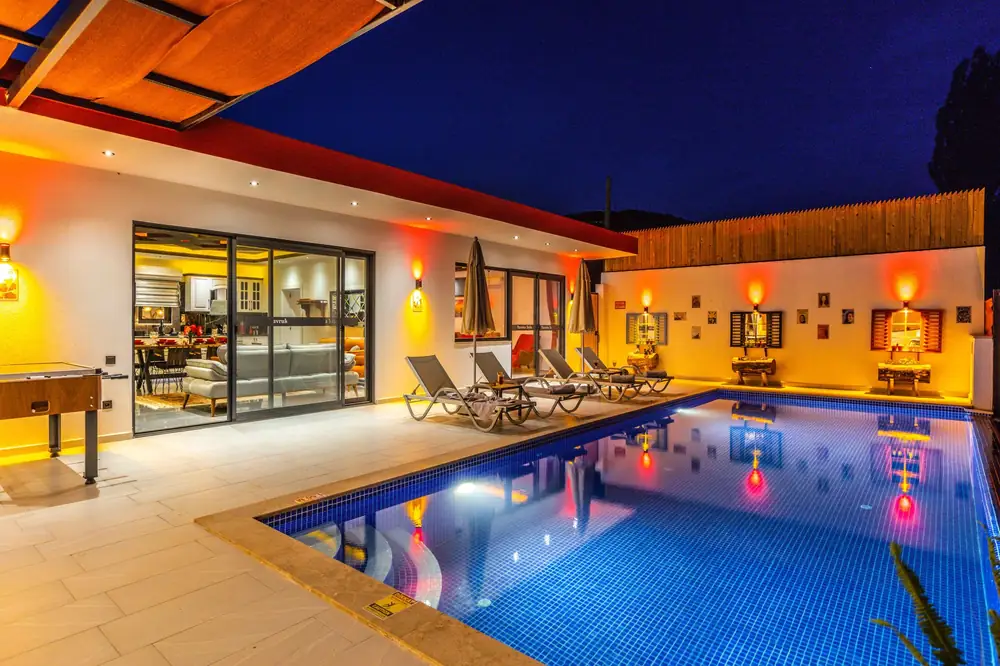
Every new pool in New South Wales sits within a clear safety framework, and understanding it takes the worry out of the process. Approval is the first requirement, and it follows one of two paths. For straightforward blocks, a pool can be approved as Complying Development, with a Complying Development Certificate issued by a private certifier, a faster route that avoids a full council assessment. Where the site is more complex, or local controls apply, approval instead comes through a Development Application lodged with Parkes council. Whichever path applies, the pool must have a child-safety barrier that complies with AS 1926.1: a minimum fence height of 1200 millimetres, a self-closing and self-latching gate, and a non-climbable zone kept clear around the fence. Once construction is complete, the pool must be entered on the NSW Swimming Pools Register before it can be filled and used, and a certificate of compliance confirms the barrier meets the standard. During the build itself, work is carried out under SafeWork NSW requirements covering site safety. None of this is left to chance: in a Mickibri build the certification, barrier and registration are coordinated so the finished pool is compliant from the day it is first used.
Who Builds Pools Across Mickibri and Parkes
Aussie Pool Builder is a team of local pool builders working across Mickibri, the wider Parkes and the surrounding Central West. The crews are licensed and insured for residential pool construction in New South Wales, and the trades brought onto each job, from excavators and steel fixers to tilers and certifiers, are people who know the area and its conditions. That local grounding is more than a talking point. Site access varies street to street in Mickibri, soil and rock differ from one block to the next, and the Parkes council has its own way of handling approvals, all of which shape how a build is planned and priced. A builder who has worked these streets before reads a site quickly and anticipates the issues that catch outsiders out, such as a narrow side passage that rules out larger machinery or established trees that constrain where a pool can sit. The same familiarity helps with the regulatory side, since whether a job runs as a Complying Development Certificate through a private certifier or a Development Application through council depends on the property and the controls that apply to it. Working locally also means staying close to a job and standing behind the result long after the water goes in.
How to Identify a Trustworthy Mickibri Pool Builder
Telling a reliable Mickibri pool builder from a risky one comes down to a handful of concrete checks rather than a gut feeling. Start with the licence, because residential building work in New South Wales must be carried out under a current builder licence, and that licence can be confirmed independently through NSW Fair Trading. Next, ask about public liability insurance and make sure it is in force, since this is what stands between a homeowner and the cost of an accident or damage during construction. The contract is the third pillar: a trustworthy builder provides a written, fixed-price scope that itemises the pool shell, the filtration, the fencing required under New South Wales law, the paving and any provisional sums, so the agreed figure is the figure that holds. References from recent Parkes jobs add real weight, as do photographs of completed local pools. The behaviour to be wary of is just as telling. A demand for a large upfront cash deposit, vague answers about inclusions, or an unwillingness to show recent Central West work are all reasons to slow down. A reliable builder is equally upfront about the approval route and about the AS 1926.1 fencing and Swimming Pools Register listing every Mickibri pool must satisfy.
What a Parkes Build Has to Account For
Building a pool in Mickibri draws on a good deal of local knowledge, because the block, the ground and the council requirements all shape the job. Lot sizes and side access vary widely across Parkes, and access in particular decides whether an excavator and crane can reach the pool area or whether smaller machinery and a longer dig are needed; a narrow side passage often determines the practical limits before any design is drawn. Soil and rock differ from street to street, and a site with shallow rock will need more excavation and engineering than one on workable ground, which feeds directly into the cost and the program. Established trees, root systems and slope add their own constraints, since a sloping block may need retaining or a raised edge and a mature tree must be worked around or protected. Parkes council requirements set the approval path, with most pools running as a Complying Development Certificate through a private certifier or a Development Application lodged with council, and the Central West conditions influence the build through soil, weather and site exposure. A builder who knows Mickibri reads these factors early and plans the job around them rather than meeting them as surprises on site.
Pool Building in the Central West Region
The Central West around Orange, Bathurst and Dubbo spans cool tablelands and warmer western plains, so conditions vary with elevation. Higher towns like Orange and Bathurst get warm summers but cold, frosty winters and even snow, while Dubbo and the plains run hotter and drier. The practical swimming season is roughly November to March on the tablelands, a little longer further west, and heating is worth serious thought if a Mickibri pool is to be used beyond midsummer. Ground conditions include basalt and shrink-swell clay on the tablelands and rock in places, which can lift excavation costs, alongside more workable loams on the plains. Reactive clay requires engineered footings and proper drainage. Siting the pool to capture afternoon sun and block the cold westerly wind noticeably improves comfort across Parkes.
Common Pool Questions in Mickibri
- What does a pool cost to build in Mickibri?
- In Mickibri, fibreglass pools commonly fall between $35,000 and $75,000 installed, and concrete pools between $55,000 and $120,000-plus, depending on size and finishes. Tricky access and soil conditions across Central West can shift the price, which is why an itemised, fixed-price scope for your exact Parkes site gives the most accurate figure.
- Should I choose a concrete or fibreglass pool?
- Concrete pools offer full design freedom in any shape, size or depth and suit unusual or sloping Mickibri blocks, but they cost more and take longer to build. Fibreglass pools install faster, cost less and need less maintenance, with a smooth gelcoat finish. The right choice in Parkes comes down to your block, your budget and how you plan to use the pool.
- What is the typical pool build timeline in Mickibri?
- Most pools in Mickibri are finished within a few weeks to a few months, depending on type and complexity. Fibreglass is the quickest path to swimming; concrete takes longer because every stage is built in place. A clear construction schedule set before work starts keeps each Parkes build on track from excavation to handover.
- Do I need council approval for a pool in NSW?
- Yes. Most pools in Mickibri are approved either as a Complying Development Certificate through a private certifier or via a Development Application lodged with Parkes council. The pathway depends on your block size, setbacks and any local controls. Approval is part of any properly run pool build in New South Wales.
- What is the timeframe for getting a pool approved in NSW?
- A Complying Development Certificate is the quicker route in New South Wales and can be issued in weeks when the pool meets all the relevant criteria. A Development Application with Parkes council usually runs longer because of the formal assessment process. Site complexity, setbacks and how complete the lodged documents are all influence the timeframe in Mickibri.
- What are the pool fencing rules in NSW?
- Every pool in New South Wales must have a compliant child-safety barrier that meets the AS 1926.1 standard. That means the correct fence height, a gate that is both self-closing and self-latching, and non-climbable zones kept clear around the barrier. Once built, the pool must also be listed on the NSW Swimming Pools Register before it can be filled and used.
- How much does it cost to run a pool in Mickibri?
- Expect regular outlays for power, water balancing chemicals and top-up water, with heating adding to the total when used. Choosing an efficient variable-speed pump, a salt or mineral chlorination system and a cover reduces day-to-day running costs across the year. Maintenance is straightforward on a well-built Mickibri pool with quality equipment in Parkes.
- Can you build a pool on a small or sloping Mickibri block?
- Yes. Plunge pools and compact lap pools are designed for small Mickibri courtyards and narrow side spaces, making the most of a tight footprint. Sloping Central West sites are handled with retaining, engineered footings or elevated decking. An on-site assessment of access, soil and slope determines the best design for the block.
- What pool heating options work in Mickibri?
- Heating lets a Mickibri household swim for far more of the year. Solar collectors suit homes with good roof exposure, heat pumps draw warmth from the air efficiently, and gas suits fast or intermittent heating. The right choice depends on pool size, budget and how often it is used, and a cover sized to the pool makes any system in Parkes work harder.
- Saltwater, mineral or chlorine: which pool system is best?
- A saltwater system generates chlorine from a small amount of salt, so there is no handling of harsh chemicals and the water feels softer. Mineral systems use magnesium and potassium for water that is gentler again on skin and eyes. Traditional chlorine is dosed manually and is the lowest-cost setup. Many Mickibri homes choose salt or mineral for comfort and easier upkeep.
- What is included in a typical pool build, and what site access is needed?
- A standard Mickibri build typically covers design, approval, set-out and excavation, the pool shell, plumbing and filtration, a compliant safety barrier, paving and the interior finish. Machinery needs clear side access to reach the dig, and a fibreglass shell requires room for a crane to swing in. An itemised scope sets out exactly what the fixed price includes on your Parkes block.
- Are pools built in Mickibri covered by a warranty?
- All work is covered by warranty, with full builder licensing and insurance held in NSW. Concrete pools carry a structural warranty on the build, and fibreglass shells add the maker's warranty on top. The exact inclusions, terms and durations are detailed in the written contract so the cover on your Parkes pool is clear from the outset.
Areas We Cover Around Mickibri
Beargamil Pool Builders
Bindogundra Pool Builders
Brolgan Pool Builders
Bumberry Pool Builders
Cookamidgera Pool Builders
Cooks Myalls Pool Builders
Daroobalgie Pool Builders
Goobang Pool Builders
Goonumbla Pool Builders
Kadina Pool Builders
Mandagery Pool Builders
Mugincoble Pool Builders
Nanardine Pool Builders
Parkes Pool Builders
Parkesborough Pool Builders
Shallow Rush Pool Builders
Tichborne Pool Builders
Retreat Pool Builders
Bocobra Pool Builders
Bogan Gate Pool Builders
Botfields Pool Builders
Gunningbland Pool Builders
Nelungaloo Pool Builders
Baldry Pool Builders
Cumnock Pool Builders
Eurimbula Pool Builders
Yullundry Pool Builders
Eugowra Pool Builders
Nanami Pool Builders
Trajere Pool Builders
Bournewood Pool Builders
Obley Pool Builders
Yeoval Pool Builders